AED PAD phillips About
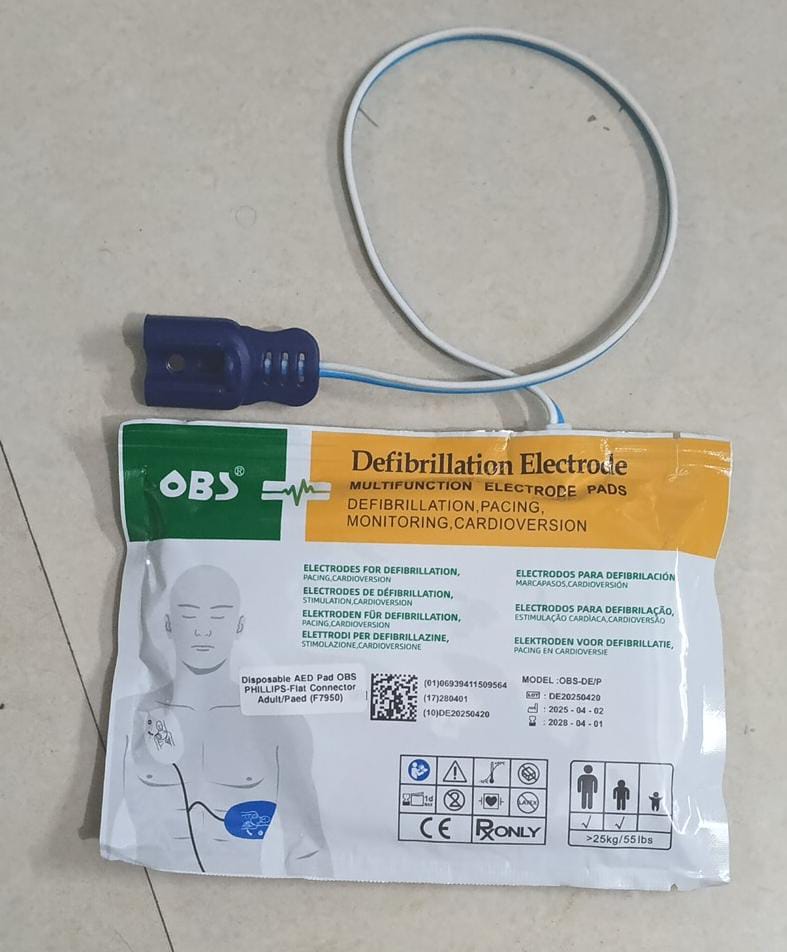
Philips AED pads are essential accessories for Philips HeartStart Automated External Defibrillators (AEDs), designed to deliver electrical therapy to individuals experiencing sudden cardiac arrest. These pads are crucial for the AED's function, as they provide the connection between the device and the patient's body.
Here's a description of Philips AED pads, highlighting their key features and types:
Key Features:
- Adhesive Gel: Philips AED pads feature an adhesive gel that ensures proper and secure adhesion to the patient's skin. This is vital for effective transmission of electrical energy to the heart and to maintain electrical conductivity during the rescue.
- Pre-connected: Many Philips pads, particularly the SMART Pads, are designed to be pre-connected to the AED, allowing for quick and easy application during emergency situations.
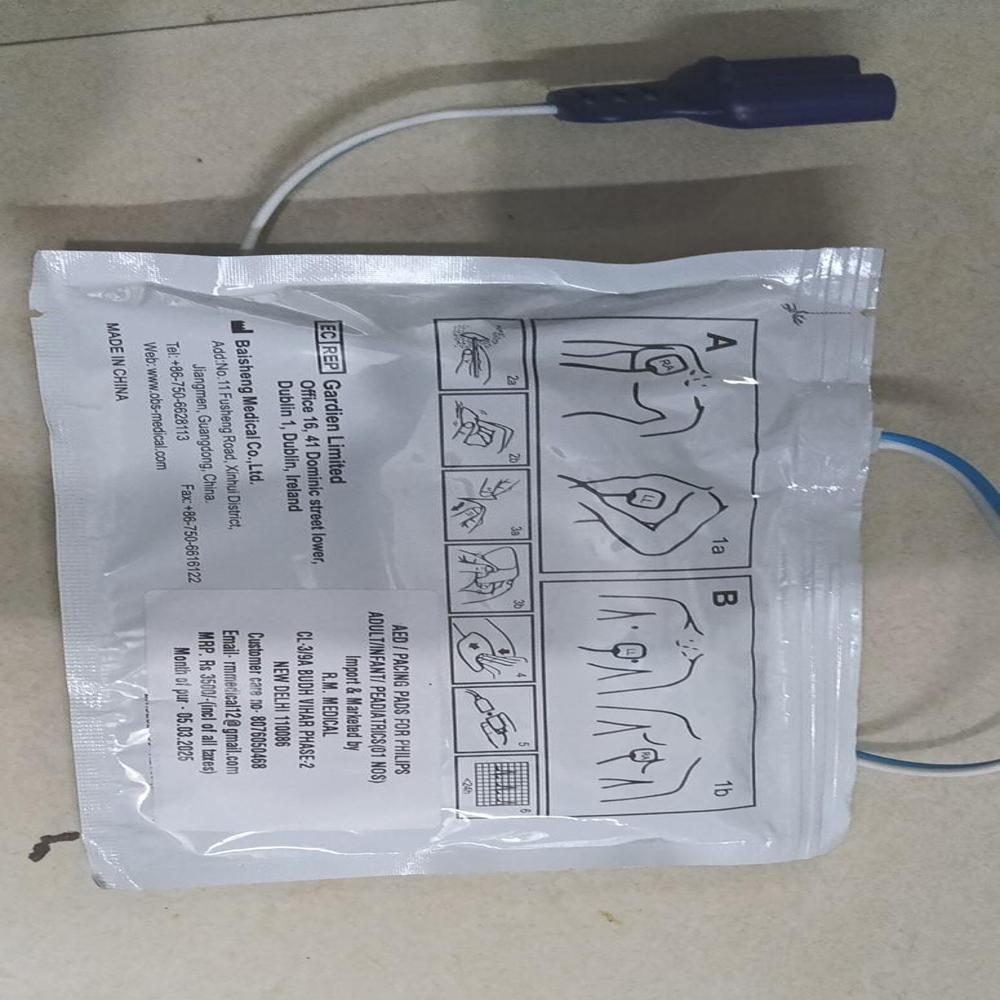
- Clear Markings and Placement Guides: The pads come with clear anatomical markings and illustrations to indicate proper placement on the patient's chest, guiding rescuers through the application process.
- Single-use and Disposable: For hygienic and safe operation, Philips AED pads are single-use and disposable, requiring replacement after each rescue or if the adhesive has been exposed.
- Integrated Solutions (SMART Pads Cartridge): Some Philips AED models, like the HeartStart OnSite and FRx, utilize a cartridge system for their "SMART Pads." These cartridges contain a pair of adhesive pads and seamlessly click into the defibrillator, providing an integrated solution.
- SMART Technology: Philips' "SMART Pads" are designed to interact with the AED's "SMART Analysis" system. This allows the AED to detect when the pads are placed on the patient and adapt its voice instructions to the rescuer's actions and pace. In some cases, like with the HeartStart FRx SMART Pads II used with an Infant/Child Key, they can even adjust the energy delivered for pediatric patients.
- Shelf Life: Philips AED pads typically have a shelf life of at least two years (or more, depending on the model and type), indicated by a "use-by" date on the packaging. It's crucial to replace expired pads as their adhesive and conductivity may degrade.
- Durability: The pads are often designed to be robust and resist drying out if stored properly within their sealed packaging.
Types of Philips AED Pads:
Philips produces different types of AED pads, primarily categorized by the patient's age/weight and compatibility with specific AED models:
It's crucial to ensure that the correct type of pads is used for the specific Philips AED model and patient type to ensure effective and safe defibrillation. Always check the AED model and the pad's compatibility before use, and regularly monitor expiration dates.
Optimized for Philips HeartStart AEDsSpecifically engineered for compatibility with Philips HeartStart models-FRx, OnSite, FR2, and HS1 AEDs-these pads connect easily with a robust, snap-on interface. The pre-connected design helps speed up response times in emergencies, minimizing setup steps and ensuring quick readiness. Rely on their reliability and seamless function when every second counts.
Safe, Strong Adhesion & User-Centered DesignEquipped with high-tack medical-grade adhesive, these pads maintain excellent contact, even in high-stress rescue situations. The clear anterior-lateral placement markings and usage instructions help eliminate confusion, supporting proper positioning on adult patients. Additionally, the pads are latex-free, greatly reducing the risk of allergic reactions during use.
Convenient, Tamper-Evident Packaging with Two-Year Shelf LifeEach set arrives in a sealed, tamper-evident pouch for assured sterility prior to opening. Designed for single use, these pads meet medical waste protocols upon disposal. Their extended two-year shelf life, coupled with simple storage requirements, positions them as a pragmatic choice for both healthcare providers and public access AED programs.
FAQ's of AED PAD phillips:
Q: How do I connect the Philips AED PADs to my HeartStart device?
A: These AED PADs come pre-connected with a snap-on connector tailored for all Philips HeartStart AED models (FRx, OnSite, FR2, HS1). Simply place the connector into the AED's dedicated pad port until it snaps securely in place.
Q: What is the recommended placement for these AED PADs during use?
A: The pads are designed for standard anterior-lateral placement on adult patients-one pad on the upper right chest and the other on the lower left side, as indicated by the clear markings on each pad.
Q: When should the AED PADs be replaced?
A: Replace AED PADs after a single use or as they approach their two-year shelf life. Always monitor the expiration date and inspect packaging for any signs of tampering or damage before use.
Q: Where should I store Philips AED PADs for best longevity?
A: Keep the pads in their original, sealed packaging at room temperature in a dry place, away from direct sunlight and extreme temperatures to maintain optimal adhesive and conductivity performance.
Q: What is the proper disposal process for used AED PADs?
A: After a single use, dispose of the used pads according to local medical waste protocols, as they are intended solely for one-time use and pose potential biohazard risks.
Q: What are the benefits of the included ECG conductivity gel?
A: The integrated ECG conductivity gel ensures optimal electrical current transfer during defibrillation, improving the effectiveness and reliability of the AED shock delivered to the patient.
Q: Are these AED PADs suitable for all patient types?
A: No, these pads are specifically designed for adult patients aged 8 years and above or those weighing over 25 kg. For pediatric patients, use the appropriate Philips pediatric pads.






 Send Inquiry

 Send Inquiry
 Send Inquiry