About Drager MultiMed Pod ECG Trunk Cable (Model MS20093)
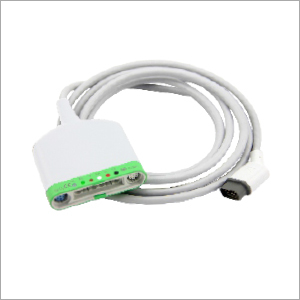
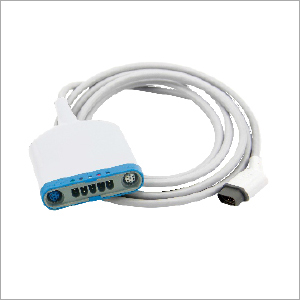
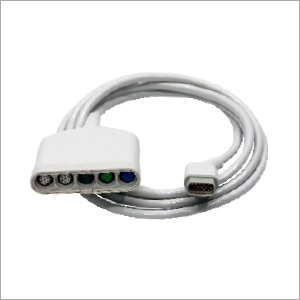
The Multimed Pod ECG Trunk Cable is a vital component in electrocardiography (ECG) systems, designed to connect the patients ECG electrodes to the monitoring device. This trunk cable is engineered to ensure accurate and uninterrupted transmission of cardiac electrical signals, facilitating precise cardiac monitoring and diagnosis.
Detailed Product Overview
The Multimed Pod ECG Trunk Cable features multiple lead wires bundled into a single, durable cable, which terminates in a connector compatible with specific ECG monitors or patient monitoring systems. It is specially designed to support multi-lead ECG setups, such as 5-lead or 6-lead configurations, enabling comprehensive cardiac monitoring.
Key Technical Features
-
High-Quality Conductors: Uses medical-grade copper or silver-plated copper wires for excellent electrical conductivity and minimal signal interference.
-
Durable Insulation: The cable is insulated with flexible, biocompatible materials such as PVC or silicone, providing resistance to wear, moisture, and cleaning agents, and ensuring patient safety.
-
Universal Connector Compatibility: Equipped with a standardized connector (often 10-pin or 16-pin, depending on the model) designed to fit a wide range of ECG monitors, particularly those compatible with Multimed Pod systems.
-
Lead Wire Organization: Bundled lead wires are color-coded according to international standards for easy identification and correct electrode placement.
-
Strain Relief and Reinforced Ends: Built with strain relief features and reinforced connectors to prevent damage from frequent bending and tugging, enhancing durability.
-
Length and Flexibility: Available in various lengths (commonly around 1.5 to 2.5 meters) to accommodate different clinical settings, with enough flexibility to ensure patient comfort during use.
-
Lightweight Design: Minimizes patient discomfort and allows easy handling by healthcare providers.
Clinical Applications
- Continuous cardiac monitoring in intensive care units (ICU) and critical care settings.
- Routine and diagnostic ECG monitoring in outpatient clinics and hospitals.
- Stress testing and Holter monitoring requiring multi-lead ECG configurations.
- Preoperative and postoperative cardiac assessments.
- Emergency and trauma care for rapid cardiac evaluation.
Benefits of Using the Multimed Pod ECG Trunk Cable
-
Accurate Cardiac Signal Transmission: Ensures high-fidelity transfer of ECG signals, critical for precise cardiac monitoring and diagnosis.
-
Durability and Longevity: Designed to withstand frequent use, cleaning, and movement without compromising performance.
-
Patient Comfort: Flexible and lightweight design reduces discomfort and allows natural patient movement.
-
Ease of Use: Color-coded leads and standardized connectors facilitate quick setup and reduce the risk of errors.
-
Wide Compatibility: Suitable for use with various ECG monitors and systems, especially those compatible with Multimed Pod technology.
Universal Compatibility Across MonitorsEngineered to work with a wide array of patient monitors, the Mutimed Pod ECG Trunk Cable enables hospital and clinical professionals to streamline their equipment inventory. The end connection is pod or monitor-specific, supporting both 6-pin and 10-pin connectors depending on the model. This flexibility ensures you dont need multiple cables for different devices, enhancing workflow efficiency.
Reliable Signal Transmission and SafetyWith double shielding technology, the cable maintains high signal integrity, minimizing noise and interference during ECG monitoring. Rigorous testing for electrical safety and biocompatibility ensures compliance with CE and ISO 13485 standards, making it a safe choice for patient care. Its RoHS certification and latex-free materials promote enhanced patient safety and environmental responsibility.
Durable Design for Clinical EnvironmentsManufactured from medical-grade PVC and TPU, the cable offers flexibility and durability for routine hospital use. Its water-resistant construction (IPX1) and ergonomic dimensions allow for easy handling, even during lengthy procedures. The cables portability and two-year shelf life make it a reliable asset for clinics and hospitals alike.
FAQs of Mutimed Pod ECG Trunk Cable:
Q: How do I connect the Mutimed Pod ECG Trunk Cable to my patient monitor?
A: You can connect the cable using the appropriate connector (6-pin or 10-pin, as per your model). The cables end is pod/monitor specific, designed for universal compatibility with major brand monitors. Just attach the trunk cable to both the ECG electrodes and the monitors designated port.
Q: What benefits does double shielding provide for ECG signal transmission?
A: Double shielding in the cable reduces external noise and interference, ensuring high accuracy and integrity during real-time ECG signal transmission. This is critical for reliable monitoring in busy clinical settings.
Q: When should I replace the ECG trunk cable?
A: It is recommended to replace the cable every two years as per its shelf life, or sooner if physical damage or signal inconsistencies are noticed. Proper storage in a dry, clean environment further ensures optimal performance.
Q: Where can the Mutimed Pod ECG Trunk Cable be used?
A: This cable is designed for use in hospitals and clinical settings. It supports various patient monitors and is suitable for connecting ECG electrodes during patient monitoring.
Q: What is the process for sterilizing the cable?
A: Sterilization should be done using ethylene oxide only, as the cable is compatible with this method. Its important to follow hospital sterilization protocols and manufacturer guidelines to maintain cable integrity.
Q: Is the cable suitable for all electrode types?
A: Yes, the cable supports both snap and clip electrode interfaces, providing flexibility to use with different electrode designs commonly found in clinical and hospital environments.
Q: What are the advantages of using a CE marked and ISO 13485 compliant ECG trunk cable?
A: Using a CE marked and ISO 13485 compliant cable assures adherence to international safety and quality standards. This enhances patient safety, reduces risk, and signifies that the product meets rigorous regulatory requirements.






 Send Inquiry

 Send Inquiry
 Send Inquiry